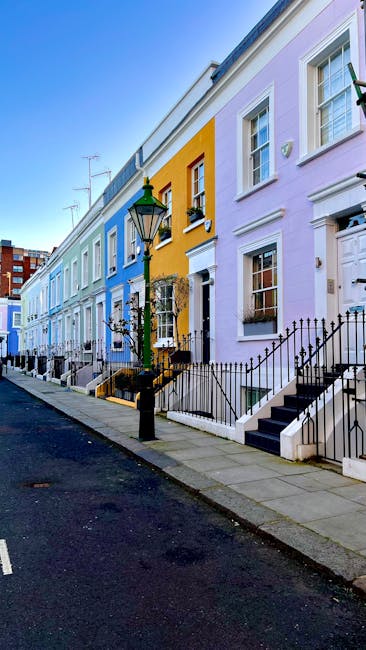
Ladbroke Grove moves: navigating narrow Victorian stairs
Posted on 27/04/2026
Moving in Ladbroke Grove can feel straightforward on paper and awkward in real life. The area's Victorian and late-Victorian homes often come with tight turns, steep staircases, narrow landings, and doorframes that seem to have been designed before wardrobes existed. If you are planning a move here, the main challenge is not just transport. It is getting bulky items safely up or down stairs without damaging the property, the furniture, or yourself.
This guide breaks down Ladbroke Grove moves: navigating narrow Victorian stairs in practical terms. You will learn why these staircases matter, how removals teams approach them, what to prepare before moving day, and how to reduce stress when the building layout is working against you. If you want a broader sense of moving support in the area, our removals in Notting Hill page is a useful starting point, while the services overview gives a quick picture of available options.
Truth be told, a narrow Victorian staircase is rarely the problem you want to discover at the front door on moving day. The good news is that with the right planning, you can manage it cleanly and avoid the usual scuffs, bottlenecks, and last-minute improvisation.

Why Ladbroke Grove moves: navigating narrow Victorian stairs Matters
Ladbroke Grove sits within an area where period architecture is part of the appeal. Victorian conversions, maisonettes, and compact flats can be beautiful, but they often bring awkward access. Staircases may be steep, winding, or boxed in by walls and banisters. Landings can be tight. Some halls are only just wide enough for one person to turn sideways, let alone carry a sofa.
That matters because moving is physical, time-sensitive work. A difficult staircase changes the whole rhythm of a relocation. It can slow loading, require extra lifting, increase the need for protection materials, and raise the risk of marks or breakages. Even simple items such as mattresses, chests of drawers, and bookshelves can become surprisingly awkward.
For people moving into or out of flats, this often affects more than convenience. It can shape the choice between a standard van move and a more carefully planned service such as flat removals in Notting Hill or a flexible man with a van in Notting Hill. In some cases, customers only realise the access challenge after the move begins. That is exactly the kind of surprise a good plan prevents.
Key takeaway: In a staircase-heavy Victorian property, moving success depends less on brute force and more on preparation, timing, and the right crew.
There is also a practical neighbourly angle. Shared hallways and narrow communal entrances mean a rushed move can inconvenience others quickly. Good planning is not just about protecting your belongings; it is also about respecting the building and the people in it.
How Ladbroke Grove moves: navigating narrow Victorian stairs Works
The process starts before anyone lifts a box. A removals team will usually want to understand the access at both properties: staircase width, ceiling height, number of flights, turning points, parking distance, and whether large items need dismantling. That information helps the team decide how many movers are needed, which equipment to bring, and how to sequence the job.
In a narrow Victorian house or conversion, moves often work in stages:
- Survey the access. Check the staircase, the hallway, the front path, and the room layout.
- Protect surfaces. Use covers for bannisters, floor runners, and padding where items may touch walls.
- Break down the largest pieces. Beds, wardrobes, tables, and desk frames are often easier to move in parts.
- Clear the route. Remove shoes, lamps, loose rugs, and anything that could create a trip hazard.
- Move items in a sensible order. Usually larger pieces first, then boxes and smaller items.
- Load the van with the stair layout in mind. A poor loading plan creates avoidable back-and-forth.
Some buildings are forgiving. Others are not. A three-storey Victorian terrace with a steep stairwell and a corner turn can turn a simple move into something that needs genuine technique. This is where a properly equipped team, such as one offering a man with a van service, can make a noticeable difference.
The main technical challenge is leverage. Staircases reduce space for rotating bulky items, so movers have to control angles carefully. A sofa may need to be lifted vertically for one section, then rotated, then lowered a few inches at a time. It looks slow, but slow is often what keeps both the furniture and the paintwork intact.
Key Benefits and Practical Advantages
Planning for narrow stairs is not just about avoiding problems. It also creates clear benefits that make the move feel much more controlled.
- Less damage risk: Protecting the route reduces scrapes, chips, and crushed corners.
- Faster decision-making: When access is understood early, the move runs to a clearer plan.
- Lower physical strain: Good technique and the right equipment reduce the chance of injuries.
- Better use of time: Fewer failed attempts to turn items around tight corners.
- More confidence on the day: Everyone knows what is being moved, when, and how.
- Less stress for neighbours: Efficient handling keeps shared spaces usable.
There is also a financial benefit, even if it is indirect. A move that is planned properly is less likely to involve preventable delays, repeat journeys, or emergency fixes. If you are comparing services, it helps to review man and van rates alongside the service level you actually need. The cheapest quote is not always the best value if the staircase is difficult.
For some households, the biggest benefit is simply reassurance. Once you know the access issues have been acknowledged and planned for, the move stops feeling like a gamble.
Who This Is For and When It Makes Sense
This approach is useful for anyone moving in or around Ladbroke Grove where stair access is a genuine factor. That includes:
- people moving into Victorian flats or maisonettes
- tenants leaving upper-floor properties with limited hallway space
- families moving furniture between older homes
- students moving into compact period conversions
- landlords preparing a property between tenancies
- small offices or studios occupying converted buildings
It is especially worth paying attention if you have any of the following:
- a staircase with a tight bend or landing
- heavy furniture that cannot be carried flat
- valuable or fragile items such as mirrors, artwork, or a piano
- restricted parking close to the entrance
- limited help from friends or family on moving day
If that sounds familiar, a specialist service may be more appropriate than trying to handle everything yourself. For example, bulky or delicate items may fit better into furniture removals in Notting Hill or, for particularly sensitive pieces, piano removals in Notting Hill.
On the other hand, if you are moving a small number of boxes from a ground-floor room or a highly accessible flat, a lighter-touch solution may be enough. The point is not to overspecify the move. It is to match the service to the access conditions.
Step-by-Step Guidance
Here is a practical way to handle a move involving narrow Victorian stairs without turning it into a scramble.
1. Measure the access before the move
Measure stair width, landing size, ceiling height on turns, and the narrowest doorframes. If you own large items, measure those too. A sofa or wardrobe that looks fine in a room can behave very differently on a staircase.
2. Identify the problem items early
Make a list of anything that may need dismantling or special handling. Beds, wardrobes, glass tables, and large appliances are typical candidates. If you are uncertain, ask the removals provider during the booking stage rather than waiting until the morning of the move.
3. Declutter and reduce the load
Victorian stairs punish indecision. The fewer items you move, the simpler the job becomes. Recycle, donate, or store what you can. If you need temporary overflow space, storage in Notting Hill can be a practical bridge between homes.
4. Pack with stair movement in mind
Use sturdy boxes, tape them securely, and avoid overfilling them. A too-heavy box is miserable on stairs. Keep essential items separate so they do not get buried under larger loads.
5. Protect the property
Cover bannisters, corners, and floors where possible. In older buildings, even a small knock can leave a visible mark. Protective materials are a small effort compared with the cost and hassle of repairs.
6. Sequence the move sensibly
In many cases, the best sequence is to clear oversized items first while the team is fresh and the route is still unobstructed. Smaller boxes can then fill in the gaps. This avoids a cluttered staircase becoming a bottleneck halfway through the day.
7. Use the right service level
If the property access is awkward, it may be worth choosing a more hands-on removals option rather than a minimal transport-only arrangement. A move that involves multiple flights of stairs, heavy furniture, or tight corners often benefits from a team used to removal services in Notting Hill.
8. Build in time margin
Do not schedule your day as if the move will happen in a perfect straight line. Staircases create delays. A little extra time reduces pressure and helps everyone stay methodical.
Expert Tips for Better Results
Small adjustments make a big difference in Victorian properties. Here are the tips that tend to matter most.
- Take the banister path seriously. The curve of the rail often tells you more about the best carrying angle than the stairs themselves.
- Keep one person calling the shots. Too many voices shouting directions on a staircase is how people end up moving sideways in three different ways at once.
- Wrap corners before moving. A little padding on sharp furniture edges can protect both the item and the wall.
- Use the right gloves and footwear. Grip matters when you are turning heavy items on steps.
- Ask for dismantling help if needed. A wardrobe that comes apart safely is easier to move than one forced through a landing by optimism alone.
- Plan parking early. Even a well-handled staircase becomes harder if the van is parked too far away.
If you are comparing providers, look for clear communication, sensible planning, and realistic answers about access. Good teams tend not to promise miracles; they promise process. That is usually what you want. For a broader overview of options, the removal companies in Notting Hill page can help you compare service types in one place.
One more thing: if you are moving during a busy period or on a tight deadline, consider same day removals in Notting Hill only if the access and volume are manageable. Speed is useful, but not if the staircase is already the limiting factor.
![A row of white Victorian terraced houses with multiple stories, large sash windows, and decorative architectural detailing, situated on a street with a pavement. In front of the buildings, there are various trees, including a tall palm tree and a weeping willow, as well as small shrubs and garden beds enclosed by low brick walls. A black lamppost is visible near the pavement. A dark grey car is parked along the street, close to the entrance of one of the houses. The sky above the buildings is overcast with a few visible antennas on the rooftops. This residential area is typical of Notting Hill, with well-maintained facades and greenery. The scene is captured during daylight, illustrating the exterior environment where house removals and furniture transport may occur as part of a home relocation process supported by [COMPANY_NAME], as described in the 'Ladbroke Grove moves: navigating narrow Victorian stairs' page on moversnottinghill.co.uk.](/pub/blogphoto/ladbroke-grove-moves-navigating-narrow-victorian-stairs2.jpg)
Common Mistakes to Avoid
The most expensive moving mistakes are often the predictable ones. Narrow staircases make them more visible.
- Not measuring large items. Guessing leads to stuck furniture and wasted time.
- Underestimating the stairs. A staircase that looks manageable from the hall can feel very different once you start turning a sofa.
- Overpacking boxes. Heavy boxes are harder to carry and more likely to split.
- Ignoring the route. Loose rugs, low lamps, and cluttered hallways create unnecessary hazards.
- Choosing a service without checking access needs. Some moves need more than a simple van and driver setup.
- Forgetting insurance and protection. A careful move is still a physical process, and things can go wrong.
There is also a planning mistake that shows up constantly: assuming all period properties are the same. They are not. Two Victorian flats on the same street can have very different access layouts, and that difference can change the whole move.
If you are unsure what level of support you need, it is worth speaking to a team that can explain the difference between basic transport, man and van in Notting Hill, and larger-scale house removals in Notting Hill.
Tools, Resources and Recommendations
You do not need specialist equipment for every move, but the right tools make awkward stairs much easier to manage.
| Tool or resource | Why it helps | Best used for |
|---|---|---|
| Furniture blankets | Reduces scuffs and impact damage | Sofas, tables, wardrobes |
| Strong tape and labels | Keeps boxes secure and organised | General packing |
| Floor runners | Protects stair treads and hallway flooring | Shared entrances and routes |
| Dismantling tools | Makes large furniture easier to angle | Beds, desks, shelving |
| Carry straps | Improves control on stairs | Heavy or awkward items |
| Short-term storage | Reduces immediate pressure | Staggered moves or downsizing |
For packing support, a dedicated packing and boxes service in Notting Hill can save a lot of time, especially if you are managing the move alongside work, childcare, or a tight handover schedule.
If you are moving office equipment or a small studio setup, a structured office removals service is usually worth considering because tech, cables, and compact furniture often need different handling from household items.
Law, Compliance, Standards, or Best Practice
For most home moves, the biggest compliance concern is not legal complexity. It is safety, duty of care, and reasonable handling. A reputable moving service should work in line with sensible health and safety practices, take care to avoid property damage, and explain what is and is not covered by insurance or terms of service.
In practical terms, that means checking the following:
- whether the provider has clear insurance arrangements
- whether there is a documented safety approach for lifting and carrying
- whether the team will use protection for floors and furniture where appropriate
- whether terms, payment, and cancellation policies are explained clearly in advance
If you are dealing with a shared building, there may also be building rules about parking, lift use, loading bays, or moving times. Even if the move is entirely private, it is wise to respect neighbours and avoid blocking access routes. That is simple courtesy, but it also prevents disputes.
For peace of mind, review the provider's supporting pages before you book. The health and safety policy, insurance and safety information, and terms and conditions are all worth reading carefully. If you value transparency around booking and payments, the payment and security page is also helpful.
Options, Methods, or Comparison Table
Not every Ladbroke Grove move needs the same setup. The right method depends on how awkward the stairs are, how much you own, and how much help you want on the day.
| Move type | Best for | Strengths | Limitations |
|---|---|---|---|
| DIY with helpers | Small loads, easy access | Lower direct cost, flexible | Highest physical effort, higher damage risk on narrow stairs |
| Man and van | Smaller to medium moves | Good balance of support and cost | May still need careful planning for bulky items |
| Full removals team | Larger homes, difficult access | More hands, better handling, smoother logistics | Usually costs more than simpler options |
As a rule, if the staircase is your main concern, more hands and more planning usually pay off. If you are comparing transport-focused versus hands-on support, it may help to look at both man and a van in Notting Hill and rates for a man with van before you decide.
Another practical option, especially for renters, is to reduce the move into two phases: one load for essentials and a second for non-urgent items. That can be simpler than trying to force a single oversized move through a difficult building.
Case Study or Real-World Example
Imagine a one-bedroom flat in a Victorian conversion off Ladbroke Grove. The hallway is narrow, the stairs turn sharply halfway up, and the bedroom is on the top floor. The tenant is moving out on a Friday afternoon, with a sofa bed, a double mattress, a desk, several boxes, and a mirror.
A rushed approach would likely go badly. The sofa bed might snag on the turn. The mirror could be bumped in the hallway. Boxes may pile up on the landing and slow everything down.
A better plan would look like this:
- measure the sofa bed and mattress beforehand
- dismantle the bed frame the day before
- wrap the mirror and label it clearly as fragile
- clear the staircase and hallway completely
- book a team that understands flat access
- load the van with the bulkiest items first
The result is not glamorous, but it is efficient. The move is completed with fewer pauses, less fuss, and a much lower chance of wall damage. That is the real win in properties like these.
For people moving into the area and weighing up local life as well as logistics, local advice on moving to Notting Hill and Notting Hill real estate insights can be useful context, especially if your move is tied to a purchase or a long-term rental decision.
Practical Checklist
Use this checklist in the week before moving day.
- Measure all large furniture and note any tight angles
- Confirm staircase width, landing space, and floor level access
- Ask whether furniture can be dismantled safely
- Book the right move type for the property layout
- Label fragile and awkward items clearly
- Clear hallways, stairs, and door thresholds
- Protect floors, banisters, and corners where needed
- Check parking and loading access for the van
- Separate essentials you will need immediately
- Read the provider's safety, insurance, and payment information
- Keep a spare set of keys and contact details handy
Quick rule: if you are uncertain whether an item will fit, assume it will be awkward until measured properly.
Conclusion
Moving in Ladbroke Grove is often a question of access, not distance. The narrow Victorian stairs that give these homes character can also make removals more delicate, slower, and more technical than expected. Once you understand the staircase, measure your larger items, and choose the right support, the whole process becomes far more manageable.
The best moves here are rarely the rushed ones. They are the well-planned ones: clear route, right people, sensible packing, and realistic timing. If you want help choosing the right support for a difficult staircase, start with the service pages, compare your options, and ask questions before moving day arrives.
Get a free quote today and see how much you can save.
If you are ready to plan a move with proper attention to access, you can also contact the team here to discuss your staircase, furniture, and moving date.