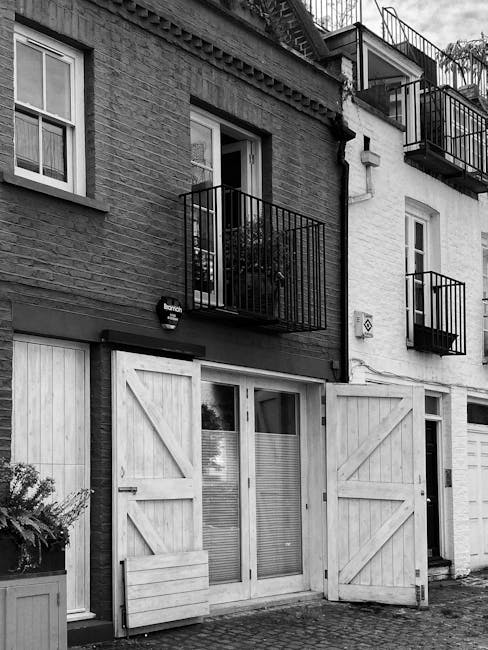
Mews & narrow courtyards: moving vans on Notting Hill streets
Posted on 02/06/2026
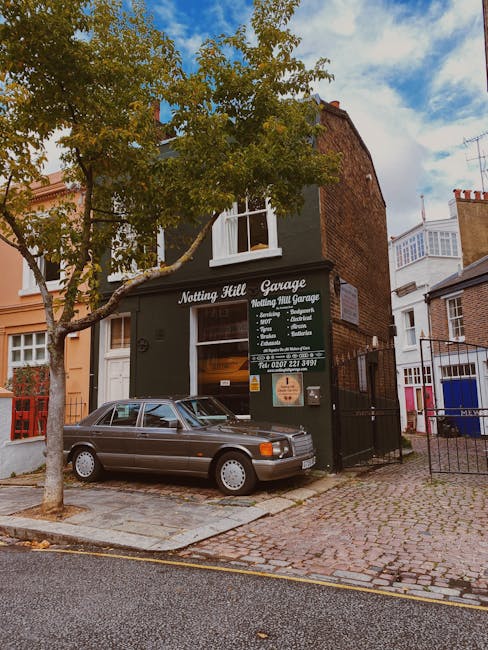
Mews & narrow courtyards: moving vans on Notting Hill streets
If you have ever watched a moving van inch into a Notting Hill mews and thought, "How on earth do they do that?", you are not alone. The truth is, moving in this part of London is less about brute force and more about judgement: vehicle size, timing, access, stair angles, loading gaps, and a bit of local know-how. Mews & narrow courtyards: moving vans on Notting Hill streets is a very real logistics puzzle, and it affects everything from flat removals to furniture delivery, student moves, and full house relocations.
This guide breaks the process down in plain English. You will learn why these streets create moving challenges, how a careful move is planned, what usually goes wrong, and how to make the whole thing feel much less stressful. We will also cover practical checks, common mistakes, and a simple checklist you can actually use. No fluff. Just the stuff that helps on moving day.
Why Mews & narrow courtyards: moving vans on Notting Hill streets Matters
Notting Hill looks elegant and effortless from the outside. Behind that charm, though, sit mews houses, tucked-away courtyards, side entrances, gated blocks, and streets that were never designed with today's large moving vehicles in mind. That matters because a move that seems straightforward on a map can quickly become awkward on the ground.
A van may fit the street but not the turning circle. A loading bay may be close, but not close enough for a sofa carried by hand. A courtyard may look open until you realise there is a height restriction, a shared gate code, or a tight bend that makes tail-lift use tricky. These are the details that decide whether moving day runs calmly or turns into a long, expensive shuffle back and forth.
It also matters because Notting Hill homes vary so much. One property may be a ground-floor mews with direct access; another may be a top-floor flat reached through a narrow stairwell and a tiny shared courtyard. A move that suits one address may be a terrible fit for the next door neighbour. That is why local moving experience is worth more than a generic "we can do it" promise.
For people already living in the area, a bit of local planning also helps protect neighbours, traffic flow, and your own schedule. If you are still getting to know the neighbourhood, the resident guide to living in Notting Hill gives useful context on day-to-day life in the area, including the realities of busy streets and tight access points.
How Mews & narrow courtyards: moving vans on Notting Hill streets Works
A good move in a mews or courtyard setting starts long before the van arrives. First comes access planning. This means checking the route from road to front door, measuring anything that looks tight, and deciding whether a small van, a standard removal vehicle, or a man and van setup is the safest choice. Sometimes the best answer is not the biggest vehicle. In fact, in Notting Hill, it often isn't.
Next comes timing. Morning is usually calmer than late afternoon, and school-run or market-heavy periods can make a big difference. Around busier pockets of the area, you may need to think carefully about when it is actually sensible to park, unload, or send people carrying boxes across the pavement. If your move is anywhere near the market routes, the article on moving near Portobello Market access and timing is especially relevant.
Then there is the physical movement itself. In tight courtyards, the team usually works in stages: park as close as legally and safely possible, bring in the most fragile or awkward items first, and keep the unload sequence organised so nobody is left blocking a gate with a wardrobe and a half-open box of kitchen stuff. Not glamorous, but very effective.
Finally, there is communication. Someone should be available to answer gate codes, buzzers, neighbour questions, and the inevitable "can we just leave this for a moment?" question. That person may be you. It may be your mover. Either way, the move goes smoother when one person is clearly in charge of access decisions.
Key Benefits and Practical Advantages
At first glance, choosing a smaller, more flexible moving approach for mews and narrow courtyards sounds like a compromise. To be fair, it can feel that way. But in practice, it usually brings real advantages.
- Better access control: A smaller van can often get closer to the property without blocking traffic or causing unnecessary stress.
- Less risk of damage: Fewer sharp turns, tighter parking manoeuvres, and shorter carry distances can reduce knocks to furniture and building edges.
- More realistic timing: When the move is planned around the actual street layout, you are less likely to lose time waiting for space or reversing repeatedly.
- More privacy and less disruption: Courtyard moves can be discreet if handled properly, which matters in busy residential streets.
- Better for awkward items: Sofas, beds, mirrors, and pianos need space to turn and pivot, not just a van parked somewhere nearby.
There is also a less obvious benefit: confidence. When the route is mapped properly, people stop panicking about the "what if" moments. And moving day always feels better when you are not improvising every five minutes.
If you are comparing service types, it can help to think in terms of fit rather than size. A local man with van in Notting Hill can be ideal for short, access-sensitive moves, while larger house removals in Notting Hill may suit fuller properties with more volume and more hands on deck. Different jobs. Different tools.
Who This Is For and When It Makes Sense
This kind of planning is useful for anyone moving in or out of a mews, a courtyard flat, a basement property with a rear entrance, or a conversion with limited frontage. It is especially relevant if your address has any of the following:
- restricted parking outside the property
- a shared gate, coded entrance, or concierge-controlled access
- a narrow alley or rear lane rather than direct road frontage
- steps from street level to property level
- a courtyard that looks spacious in photos but is actually tight for large vehicles
- valuable or bulky furniture that needs careful handling
It also makes sense for people who simply do not want a long, messy moving day. If your schedule is tight, a well-planned move in a constrained street can save hours. That is one reason some residents prefer a streamlined man and van Notting Hill option for smaller loads, or a more structured removal services Notting Hill package when there are more items, more stairs, or more access complications.
Students, renters, sellers, buyers, and downsizers all run into the same issue from different angles. A student may have a few boxes and a tight stairwell. A seller may be juggling keys, completion times, and removals. A downsizer may need temporary storage because the new place simply cannot absorb everything on day one. Different stories, same access problem.
Step-by-Step Guidance
-
Survey the street properly.
Do not rely on memory or listing photos alone. Walk the route if you can. Look at kerb height, gate widths, bend points, overhanging trees, low archways, and whether a van can pause safely without causing a jam.
-
Measure the awkward bits.
Front doors, courtyard openings, stair turns, and hallway corners matter more than people expect. A sofa that clears the front step may still fail on the second landing. It happens. Quite often, actually.
-
Choose the right vehicle size.
If the street is tight, the largest van is not always the best van. Smaller vehicles often save time because they can position more easily and unload without a lot of repositioning.
-
Group items by priority.
Set aside essentials, fragile items, and bulky pieces in separate zones before the movers arrive. That makes the loading order cleaner and reduces backtracking through narrow spaces.
-
Protect shared spaces.
Courtyards, communal hallways, and painted railings can be easily marked by careless handling. Use floor protection, door coverings, and sensible lifting techniques. Nobody wants a fresh moving bruise on a heritage wall.
-
Keep communication simple.
One person should handle access calls, gate codes, and timing updates. Too many voices on moving day can slow everything down.
-
Build in a buffer.
Even good plans need a little slack. Ten or fifteen extra minutes for parking or stair access can save a surprising amount of stress if the street is suddenly busy.
For flats and upper-level homes, it is worth reading the dedicated advice on flat removals in Notting Hill. If your building has a difficult staircase or you are working with a lift, the local notes in Notting Hill Gate station moves and lift access are also helpful, even if your property is not directly beside the station.
Expert Tips for Better Results
Here is the part people usually skip, and then regret later. A few small choices make a huge difference in narrow-access moves.
First: protect the loading path as much as the furniture. A scratched bannister or a scuffed doorstep can cause more headache than the box it was meant to protect. In a mews, you often have less room to set things down, so every move needs to be more deliberate.
Second: pre-wrap awkward items before moving day. If a long mirror or headboard must pass through a tight courtyard, it should already be secured. Waiting until you are standing in the rain by the van is not the moment to discover you need extra padding.
Third: think in terms of carry distance. Five metres versus twenty metres sounds tiny until you are repeating it thirty times with boxes, lamps, and bags of books. The closer the van can safely get, the smoother everything feels.
Fourth: use local knowledge. Mews streets can hide quirks: residents' parking, low walls, one-way movement, delivery windows, or gates that only open one way. Someone who knows the neighbourhood will spot these before they become a problem. That local awareness matters just as much for transport as it does for choosing the right service, whether that is removal van Notting Hill support or a broader removals Notting Hill plan.
Fifth: be honest about the load. A move that starts as "just a few boxes" can turn into a small mountain of kitchenware, clothes rails, and one very awkward plant. We have all seen that moment. If in doubt, overestimate a little.
Common Mistakes to Avoid
Most access problems are predictable. That is the annoying part. The good news is that they are also avoidable.
- Booking a van that is too big: It sounds efficient but often creates parking and turning trouble.
- Ignoring the final ten metres: The street may be manageable, but the courtyard gate or front steps may be the real bottleneck.
- Not checking loading restrictions: In a neighbourhood like Notting Hill, street rules and resident parking can shape the whole day.
- Leaving fragile items until last: That usually means they get rushed, and rushed glass is never a happy story.
- Assuming the mover "will figure it out": Good movers can adapt, yes, but they still need accurate information upfront.
- Underestimating stairs: Staircase turns in mews conversions and older terraces can be tighter than they look.
One of the more common issues is treating the move as a single event rather than a chain of access decisions. Parking, unloading, carrying, and reloading all depend on each other. If one step slips, the rest slows down. Simple, but easy to forget when the keys are finally in your hand and everyone wants to get on with it.
Another mistake is forgetting the neighbours. In shared courtyards, a little courtesy goes a long way. A quick heads-up, careful noise levels, and tidy staging are not just polite; they can prevent arguments that nobody has time for on moving day.
Tools, Resources and Recommendations
You do not need fancy kit to make a mews move work, but a few practical items help a lot.
- Measuring tape: For door widths, stair turns, and awkward furniture dimensions.
- Felt or floor protection: Useful in courtyards and shared entrances where surfaces mark easily.
- Labels and marker pens: Essential for keeping boxes in order when rooms are compact.
- Furniture covers and blankets: Especially useful for narrow hallways and weather exposure.
- Access notes: Gate codes, buzzer names, parking details, and lift instructions should all be written down, not left in someone's head.
If you need storage because access is tight or your completion date and move-in date do not line up neatly, storage in Notting Hill can be a sensible bridge between properties. And if you are still in the planning stage, packing and boxes in Notting Hill is worth reviewing early, not the night before when the tape dispenser vanishes into the kitchen chaos.
For readers comparing providers, the page on removal companies in Notting Hill can help you think through service fit, while services overview gives a broader sense of what types of move are typically supported. And if you need a quick, compact solution, man with van Notting Hill is often the phrase people start with when they want something nimble rather than oversized.
Law, Compliance, Standards, or Best Practice
For moving vans on Notting Hill streets, the biggest compliance issues are usually practical rather than legal drama. You need to think about parking rules, safe loading, access permissions, and keeping public areas clear. If a street is restricted, or if a loading bay is needed, that needs to be respected. No shortcuts there.
Best practice also means safer lifting, sensible vehicle choice, and proper insurance. Reputable movers should be able to explain how they manage risk, how they protect property, and what happens if something is damaged in transit. You should never feel awkward asking. In fact, asking is a smart move.
It is also reasonable to expect clear terms before the move starts. That includes what is included, what counts as extra time, and how difficult access is handled. If you want reassurance on this side of things, the site pages on insurance and safety and terms and conditions are useful places to look before booking.
For larger or time-sensitive moves, it is also wise to check how a team handles same-day changes and last-minute access problems. The page on same-day removals in Notting Hill is relevant if your schedule has suddenly become a little too exciting.
Options, Methods, or Comparison Table
Not every move through a mews or courtyard should be handled in the same way. Here is a simple comparison to help you think it through.
| Method | Best for | Pros | Watch-outs |
|---|---|---|---|
| Small van / compact load | Studios, one-bed flats, lighter furniture | Easier parking, better manoeuvrability, faster unloading | May require more trips if the load is larger than expected |
| Man and van | Moderate loads, quick local moves, awkward access | Flexible, cost-effective, good for tight streets | Not always ideal for large family homes or many bulky items |
| Full house removals | Large homes, family relocations, high-volume moves | More manpower, better for heavy or numerous items | Needs stronger access planning and more time on site |
| Staged move with storage | Completion gaps, refurbishment delays, downsizing | Reduces pressure on move day, helps when spaces are tight | Requires extra coordination and temporary storage costs |
For people moving delicate or specialist items, the method matters even more. A piano, for instance, is not just "a heavy thing with legs". It needs the right handling from the start, and the dedicated piano removals Notting Hill page exists for a reason. Same story with furniture that is large, antique, or unusually shaped; the right setup protects both the item and the building.
Case Study or Real-World Example
Consider a typical Notting Hill mews move on a damp Thursday morning. Not torrential rain, just that soft grey London drizzle that makes everything feel slightly more complicated than it needs to be. The property is a two-bedroom mews house with a narrow frontage, a shared courtyard gate, and enough room for a van only if it stops precisely where planned.
The first instinct might be to send in the biggest vehicle available, load everything in one go, and hope for the best. That would be a mistake. Instead, the move is broken into stages. Fragile boxes are packed near the front of the load. Sofas are wrapped before the team arrives. The mover checks whether the van can use the street safely, then positions it so the shortest carry route is kept clear. One person manages access. Another manages the flow of items out of the house. No one is wandering around looking for tape. That part is surprisingly useful.
Because the courtyard is tight, the team keeps the gate clear and loads in a steady rhythm rather than trying to force multiple bulky items through the same space at once. The result is not dramatic. Which is kind of the point. It is quiet, organised, and over before the neighbours have had time to become annoyed. Simple, but very effective.
For a flat near the station, the pattern changes slightly. Lifts, stairwell width, and timing become more important than courtyard access. That is why local guides such as W11 staircase-only properties packing and moving solutions and the Pembridge Villas moving checklist are useful companions to this topic. Different buildings, same need for planning.
Practical Checklist
Use this checklist a few days before moving day. It is not glamorous, but it works.
- Confirm the exact address and access route.
- Check whether the van can stop legally and safely outside or nearby.
- Measure courtyard openings, doorways, and major furniture items.
- Identify any gate codes, buzzers, lift bookings, or concierge instructions.
- Decide which items need padding, wrapping, or dismantling.
- Separate essentials so they are not buried under general boxes.
- Tell neighbours if the move could affect shared access.
- Keep keys, IDs, and contact details easy to reach.
- Check whether storage is needed for anything that will not fit immediately.
- Review safety and insurance details before the van arrives.
Quick reminder: if the property has a tricky entrance, do not leave access checks until the moving crew is already standing outside. That is when small problems become big ones.
Get a free quote today and see how much you can save.
Conclusion
Mews streets and narrow courtyards are part of what gives Notting Hill its character, but they also demand a smarter approach to moving. The right van, the right timing, and a clear access plan matter more here than almost anywhere else. If you get those basics right, the move feels controlled rather than chaotic. And honestly, that is what most people want: not a perfect day, just a calm one.
Whether you are moving a flat, a family home, or a few carefully chosen pieces of furniture, the key is to respect the layout of the street and the limits of the building. Not every challenge can be removed, but nearly all of them can be managed. That is the difference local experience makes.
When in doubt, plan a little earlier, measure a little more carefully, and choose the kind of support that fits the space rather than fighting it. The streets may be narrow, but your move does not have to feel that way.