W11 staircase-only properties: packing & moving solutions
Posted on 06/05/2026
W11 Staircase-Only Properties: Packing & Moving Solutions for Narrow Notting Hill Homes
Moving in W11 can feel straightforward on paper, then suddenly the stairwell tells a different story. Tight turns, steep Victorian steps, awkward landings, and no lift in sight can turn a simple flat move into a careful bit of logistics. That is exactly where W11 staircase-only properties: packing & moving solutions matter. If you are relocating from a top-floor maisonette, a converted townhouse, or a flat with a famously narrow stair run, the right packing method and moving plan can save time, reduce damage, and spare your back a world of grief.
This guide walks through what staircase-only moving actually involves, why it is such a big deal in Notting Hill, and how to pack and move in a way that feels controlled rather than chaotic. You will also find a checklist, a practical comparison table, and a real-world example that shows how the planning works in the kind of buildings people actually live in around W11. Truth be told, a good move in these homes is less about strength and more about sequence.
If you are comparing local moving support, you may also want to look at removals in Notting Hill, flat removals in Notting Hill, and packing and boxes in Notting Hill for service detail and preparation ideas.
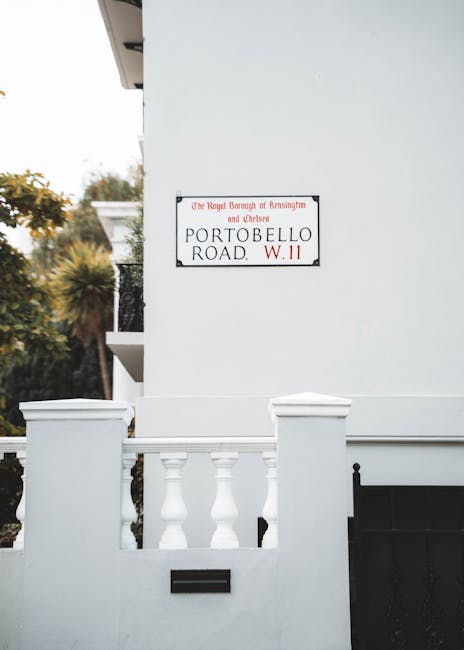
Why W11 Staircase-Only Properties: Packing & Moving Solutions Matters
W11 has plenty of beautiful period homes, but beauty and moving ease are not always the same thing. Staircase-only properties often mean narrow access, bends that rule out larger furniture if you are not careful, and shared entrances where one clumsy move can upset neighbours before the van has even pulled away. The moving challenge is not just physical; it is also about protecting walls, protecting the property, and keeping the day calm enough that nobody is carrying stress down three flights of stairs.
The biggest issue is usually not the number of items. It is the shape of the route. A sofa may fit in the doorway but snag halfway up the stairs. A chest of drawers may be light enough in theory but awkward because the landing forces a twist. In properties like these, good packing is not a nice extra. It is part of the move itself.
That is why local residents moving within the area often benefit from a service style that understands staircase-only access rather than assuming every property behaves like a modern block with a lift. If you are moving from a compact flat, our house removals Notting Hill guide can help you think through the larger moving picture, while this local article on narrow Victorian stairs is especially relevant if your home sits in one of the older terrace conversions.
Key point: staircase-only moves are won in the planning stage. If you get the packing, sizing, route, and timing right, the actual lift-and-carry becomes far easier. If you guess, the stairs will usually win. They always do, somehow.
How W11 Staircase-Only Properties: Packing & Moving Solutions Works
A sensible staircase-only move usually follows a simple pattern: survey, sort, pack, protect, move, and place. The details matter, but the sequence matters more. You start by understanding the access. Is the staircase straight or winding? Are the turns tight? Is there a banister on both sides, or only one? Are the hallways communal and narrow, with neighbours passing through? Those small things shape everything else.
From there, packing becomes more strategic than usual. Heavy items are reduced into smaller, manageable boxes. Fragile things are cushioned so they can survive being carried at an angle. Furniture may be partially dismantled so it can clear turns and landings. In some cases, the safest option is to move pieces in stages rather than all at once.
For many jobs, a local vehicle and crew are chosen based on access rather than distance. A smaller vehicle can be easier in W11 streets, especially near busy roads or tighter residential parking. If you are deciding between a man with van in Notting Hill and a fuller removals setup, the right answer depends on volume, access, and how much furniture needs careful handling. Not every move needs the same machine.
In practical terms, staircase-only moving solutions tend to rely on:
- Pre-move assessment: checking stair width, landings, handrails, parking, and the size of larger items.
- Selective packing: using smaller boxes for books, crockery, and heavy contents so they remain carryable.
- Furniture preparation: removing legs, shelves, drawers, or loose fittings where sensible.
- Protection: wrapping corners, padding fragile surfaces, and shielding banisters or walls.
- Load sequencing: bringing the hardest items out first or last depending on the route and access.
It sounds simple written down. On the stairs, it becomes very real, very quickly.
Key Benefits and Practical Advantages
Well-planned packing and moving solutions for staircase-only properties deliver more than just convenience. They reduce risk, speed up the day, and make your belongings easier to handle. In older W11 homes, that can be the difference between a move that feels controlled and one that feels like a minor rescue mission.
One of the most obvious benefits is damage reduction. Smaller, better packed boxes are less likely to split or swing unpredictably. Furniture that has been broken down correctly is less likely to scrape walls or chip a stair edge. A careful approach also means less chance of knocks to plaster, paintwork, mirrors, or banisters, which in period properties can be a big relief.
There is also a time-saving side. People sometimes assume careful packing takes too long, but on staircase-only moves it often saves time overall because the team is not repeatedly stopping to rework awkward items. One well-packed, well-labelled box beats three overstuffed ones every day of the week.
Practical advantages include:
- fewer risky lifts on steep or narrow stairs
- better use of space in the van
- less chance of last-minute dismantling under pressure
- clearer handling for heavy or fragile belongings
- less physical strain on everyone involved
There is a quieter benefit too: peace of mind. A move through a staircase-only property can make people feel oddly rushed, even when they are organised. Having a proper method helps the day feel manageable. That matters more than people admit.
If you are moving items that need extra care, such as a piano or awkward furniture, the service pages for piano removals and furniture removals show how specialist handling fits into a broader move plan.
Who This Is For and When It Makes Sense
This approach is useful for anyone moving in or out of a building where the staircase is the main access route. That includes upper-floor flats, maisonettes, converted townhouses, and older terraced homes with no lift. It is especially relevant in W11 where many properties combine period character with tricky internal access. Lovely mouldings, yes. Spacious landings, not always.
You are likely to need staircase-only packing and moving solutions if:
- your property has no lift or the lift cannot take larger items
- you live above ground floor and have narrow or steep stairs
- you own bulky furniture that needs dismantling
- you are moving fragile items that require careful boxing
- parking or access is tight outside the property
- you want to avoid damage in a shared hallway or common stairwell
It also makes sense if you are on a tighter schedule. For example, a tenant moving out on the same day their new place is ready may need a neat, efficient setup rather than a general-purpose removals approach. If timing is tight, a same-day removals service can sometimes be relevant, though it still needs proper preparation. Same day does not mean no planning. It just means the planning has to be sharper.
Students, renters, and first-time movers often underestimate staircase-only access because they think the problem begins and ends with the box count. It does not. The route is the real issue, and once you notice that, the move becomes much easier to organise.
Step-by-Step Guidance
Here is a practical way to handle a staircase-only move without overcomplicating it. You do not need a perfect system. You need one that works on a real Tuesday morning with a van outside and a narrow stairwell in the middle of the job.
- Measure the awkward bits first. Check stair width, landing space, door openings, and the dimensions of your largest items. If something is close to the limit, treat it as a risk.
- Sort your belongings by carry risk. Heavy books, small appliances, crockery, and glassware should go into smaller boxes. Oversized boxes look efficient until they are on the stairs.
- Break down furniture where possible. Remove table legs, shelves, bed frames, and loose parts. Keep screws and fittings in labelled bags.
- Wrap and protect properly. Use blankets, padded covers, or suitable wrapping for furniture edges and fragile surfaces. Think corners, handles, glass, and anything that sticks out.
- Label by room and priority. If the box is delicate or needed first, say so. That saves a lot of hunting later.
- Clear access paths. Hallways, coat stands, bins, and little side tables seem harmless until they become trip hazards.
- Load in the right order. Keep heavier, awkward items accessible if they will need special handling at the destination.
- Do a final sweep. Check cupboards, under beds, windowsills, and behind doors. That forgotten charger always hides in plain sight.
A useful rule of thumb: if you cannot lift a box comfortably while turning on a narrow staircase, it is too big or too heavy. Make it smaller. Really, make it smaller.
For property-specific moving decisions, the flat removals page and the general services overview are helpful if you want to see how the pieces fit together.
Expert Tips for Better Results
In our experience, staircase-only moves improve dramatically when you stop trying to make each box do too much. The old "fill it until it is full" approach is usually the wrong instinct in W11. A box of paperbacks may weigh more than you expect, and a box that is too heavy on a landing can become awkward very quickly. Not dramatic. Just awkward in the kind of way that makes everyone go quiet for a second.
Use these practical tips:
- Pack heavy items low and in small containers. Books, records, and kitchenware are easier to carry when split up.
- Keep an essentials bag separate. Put keys, chargers, medication, documents, snacks, and water somewhere you can reach without digging.
- Protect stair edges. A folded blanket or proper protector can prevent scrapes where furniture rounds a turn.
- Photograph assembled furniture before dismantling. That one small photo can save a surprisingly frustrating evening later.
- Use colour or room labels. It speeds up unloading, especially if rooms are similar in layout.
- Plan for street realities. W11 can be busy, and on-street access may be affected by neighbours, parked cars, or day-to-day traffic.
One practical observation from moves like these: the stairs are not the only obstacle. Tight front paths, shared entrances, and small pauses while other residents pass through can all add up. Build those pauses into the schedule instead of pretending they will not happen. They will.
If you are weighing up local support options, it can also be worth reading about removal services in Notting Hill and man and van options in Notting Hill so you can match the scale of the move to the access in your building.

Common Mistakes to Avoid
Most staircase-only moving problems are preventable. The trouble is that they tend to look manageable right up until they are not. That is the tricky part.
Here are the mistakes that cause the most friction:
- Overpacking boxes. Large boxes filled with books or kitchen items become awkward and unsafe on stairs.
- Forgetting to measure large furniture. A sofa that fits in the room may still be a problem at the turn.
- Leaving dismantling until move day. This creates pressure, delays, and avoidable stress.
- Ignoring shared access. In a staircase-only building, you may need to think about neighbours, hallways, and noise.
- Using poor labelling. If every box looks the same, unloading gets slower and more tiring.
- Underestimating parking and loading time. Notting Hill streets can be busy, and access windows may be shorter than you want.
Another common mistake is treating delicate items as if they only need "a bit of wrapping." That is rarely enough in a stairwell. Small movements and repeated turns create friction, even if no one is being rough. Use better protection than you think you need.
Quick reality check: if the move plan only works when everything goes perfectly, it is not a good plan.
Tools, Resources and Recommendations
You do not need every gadget on the market. But a handful of solid tools make staircase-only moves noticeably easier. The goal is not fancy kit. The goal is less struggle.
| Item | Why it helps | Best used for |
|---|---|---|
| Small to medium boxes | Safer to carry on stairs and less likely to split | Books, crockery, pantry items, heavier mixed contents |
| Furniture blankets | Protects corners and surfaces from knocks | Tables, drawers, bed frames, shelving |
| Bubble wrap or paper cushioning | Reduces movement inside boxes | Glassware, ornaments, lamps, framed pieces |
| Labels and marker pens | Makes unloading and sorting much faster | Room labels, fragile notices, priority boxes |
| Basic hand tools | Useful for dismantling furniture safely | Beds, tables, rails, modular furniture |
For people looking for a more complete local setup, the removal van page can help you think about vehicle size, while storage options are worth considering if you need to stage the move or cannot take everything at once.
Small practical recommendation: keep a roll of tape and a spare marker in your personal bag. They disappear from the main packing area exactly when needed. Every time. No idea why.
Law, Compliance, Standards, or Best Practice
For a domestic move, the main concern is not legal complexity so much as doing things safely and responsibly. That means reasonable care with access routes, careful manual handling, and respect for shared property. If you live in a block or conversion with communal areas, it is sensible to avoid blocking hallways, keep noise down where possible, and protect surfaces during the move.
Professional moving teams should also work in line with basic health and safety expectations. That usually includes careful lifting practices, safe use of equipment, and sensible risk awareness around steep stairs, narrow landings, and heavy items. The exact approach will vary by job, but the principle is the same: do not force a move through access that is clearly unsuitable.
Insurance is another practical point. It is worth understanding what is covered, what is excluded, and whether items need to be pre-declared if they are especially fragile or valuable. If you are checking this side of the job, insurance and safety information is a sensible place to start. You can also review health and safety policy details for reassurance around standards and working practice.
Best practice, in plain English: if an item looks risky on the stairwell, do not pretend it is fine. Repack, dismantle, or choose a different handling method. That is not overcautious. That is experienced.
Options, Methods, or Comparison Table
Different staircase-only moves need different methods. The right choice depends on volume, access, and how much furniture needs careful handling. Here is a simple comparison to help you decide.
| Method | Best for | Strengths | Limitations |
|---|---|---|---|
| Self-move with hired vehicle | Very small moves, minimal furniture | Lower direct cost, flexible timing | Hard work, more risk on stairs, slower if access is tricky |
| Man and van service | Studio flats, light household moves, student moves | Compact, nimble, good for narrow streets and access | Less suited to large or highly fragile household moves |
| Full removals team | Multi-room homes, heavy furniture, awkward access | More hands, more protection, better for complex items | Usually more expensive and may require more scheduling |
| Storage plus staged move | Renovations, downsizing, delayed handover, split access | Reduces pressure and allows better sequencing | Requires extra coordination and temporary storage costs |
For smaller jobs or short-notice moves, the local man with a van service and man and a van option can be practical, while fuller household moves may sit better with house removals support.
The key is not choosing the biggest service. It is choosing the service that fits the staircase.
Case Study or Real-World Example
Imagine a two-bedroom flat in a Victorian conversion off a busy W11 road. The property has one narrow staircase, a tight turn halfway up, and a front entrance that opens almost directly onto the pavement. The residents are moving a bed frame, a small sofa, two wardrobes, a dining table, and a mix of kitchen boxes. Nothing outrageous. Just enough to make the stairs a bit fussy.
The move works best when the team starts with measurements the day before, not on the morning itself. The wardrobe doors are removed, the bed frame is dismantled, and the dining table legs come off so the top can clear the turn without scraping the wall. Kitchen contents are packed into several smaller boxes rather than a handful of overfilled ones. One fragile box is labelled clearly and kept separate. That alone saves time.
Because the stairwell is the bottleneck, the loading order matters. Smaller boxes go first to create space, then the awkward furniture items are carried through while the route is still clear. The sofa is wrapped before the first lift, and a blanket is placed at the turn to protect the edge of the wall. It is not glamorous work. But it feels controlled, which is the point.
That kind of job is very typical in Notting Hill. People often live in lovely buildings that were never designed for modern furniture or oversized packaging. A calm, step-by-step method is what makes the difference, not brute force.
Practical Checklist
Use this checklist a few days before the move. If you can tick most of it off early, the stairwell will feel much less hostile on moving day.
- Measure stair width, landings, and doorways
- Check the size of large furniture against the route
- Order or gather small and medium boxes
- Pack heavy items into smaller loads
- Dismantle beds, tables, and shelving where possible
- Label every box by room and priority
- Wrap fragile pieces individually
- Protect corners, banisters, and high-contact edges
- Confirm parking or loading arrangements
- Keep essentials with you, not in the van
- Clear shared hallways and entrances
- Check what is covered by insurance and safety arrangements
- Set aside time for a final sweep of cupboards and storage areas
Simple rule: if a box feels annoying to lift when it is empty, it will be worse on the stairs when full. Trust that feeling.
Conclusion
W11 staircase-only properties demand a more thoughtful approach than standard moves, but they are absolutely manageable with the right packing method and moving plan. The trick is to respect the staircase from the start: pack smaller, dismantle where sensible, protect the route, and choose a moving setup that suits the building rather than fighting it. That is how you keep the day smooth, reduce damage, and make the whole experience feel less like a scramble.
If you are planning a move in Notting Hill and want help matching the service to your access, you can explore the relevant local options, compare the practical details, and make a decision that fits your home. Sometimes the smartest move is simply the one that understands the stairs.
Get a free quote today and see how much you can save.
And if you are still standing at the bottom of a long staircase wondering where to begin, begin with the boxes. The rest usually follows.