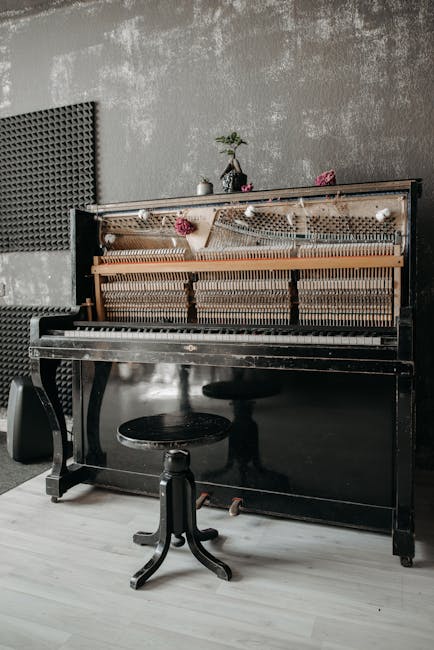
Antique piano removals on Lancaster Road: safe specialist move
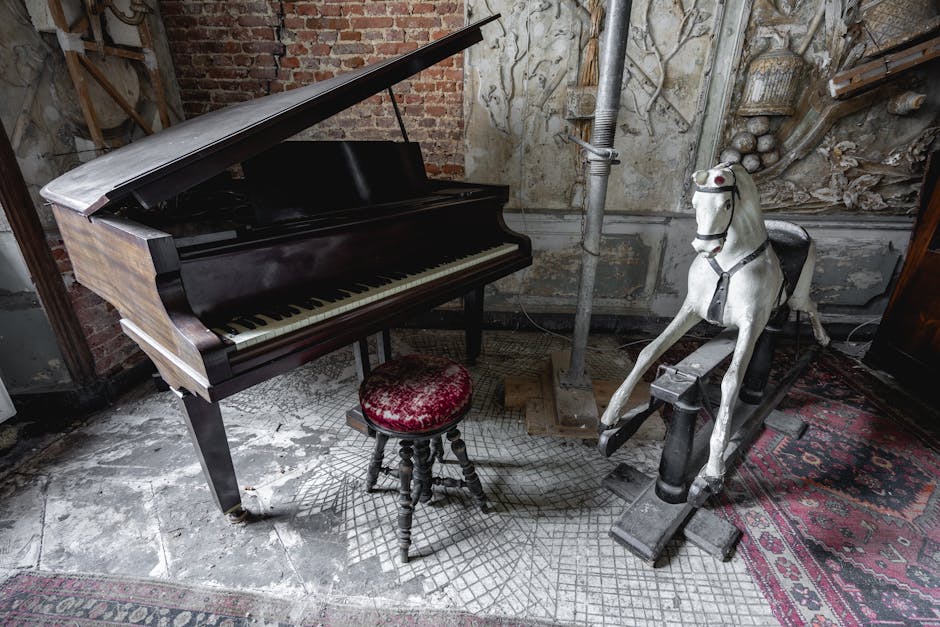
Moving an antique piano is never just another removal job. It is heavy, awkward, delicate, and often deeply personal. On Lancaster Road, where period homes, tight hallways, and stairs can make a simple manoeuvre feel like a small expedition, the right specialist approach really matters. This guide to Antique piano removals on Lancaster Road: safe specialist move explains how to protect the instrument, the property, and everyone involved, while keeping the whole process calm and well planned.
If you are preparing to move a family heirloom, a restored upright, or a concert-style piano with serious sentimental value, the main question is not "can it be moved?" It is "how do we move it without risking damage?" Let's face it, one careless turn in a narrow landing can undo years of care. The good news is that with the right preparation, equipment, and team, the move can be carried out safely and efficiently.
This article breaks down what specialist piano moving involves, why Lancaster Road properties can be especially tricky, and how to choose the safest method for your situation. You will also find a practical checklist, a comparison table, and a real-world example so you can make decisions with confidence.
Why Antique piano removals on Lancaster Road: safe specialist move Matters
Antique pianos are not just oversized furniture. They are complex instruments with tension, wood movement, felt, brass fittings, cast iron frames, and finishes that may have aged beautifully but can still be vulnerable. A minor knock can chip veneer, crack a leg, loosen pedal assemblies, or affect the tuning stability. If the piano has decorative detailing or original polish, you are also dealing with finishes that can scuff more easily than modern coated surfaces.
Lancaster Road adds another layer. In many London streets like this, access can be the real challenge: shared entrances, narrow internal turns, basement flats, railings, parked cars, awkward thresholds, and staircases that seem to have been designed by someone with a grudge. The move may look straightforward from the pavement, then suddenly you are faced with a landing that barely gives enough room to pivot. That is exactly where specialist planning earns its keep.
Safe antique piano removals are about reducing risk at every stage: protecting the instrument, protecting flooring and walls, and protecting the crew from strain or injury. A specialist move also respects the property itself. If you are in a managed building or a period terrace, that matters. No one wants scratched bannisters or a cracked step as an unwanted souvenir.
For many people, the real value is peace of mind. An antique piano often carries family history, not just financial value. When a move feels handled properly, you notice it immediately: the pace is steadier, the communication is clearer, and nobody is trying to "just give it a shove and hope for the best".
If you are also moving other household items, it can help to think of the piano as part of a wider removals plan. Related services such as furniture removals in Notting Hill and flat removals in Notting Hill can be relevant when the piano move is part of a full home relocation.
How Antique piano removals on Lancaster Road: safe specialist move Works
A safe specialist piano move follows a methodical sequence. It is not complicated in principle, but it is precise. Good removals teams begin with a survey of the piano type, the access route, and the destination. That means checking whether it is an upright, baby grand, grand, or an older upright with fragile trim, and whether the move will involve stairs, a lift, a tight hallway, or a kerbside transfer.
For an antique piano, the prep stage matters almost as much as the lift itself. The team will usually assess the instrument's condition, note existing marks, identify any loose parts, and decide on the safest way to stabilise it. Depending on the model, they may secure the lid, pedal box, legs, and internal components. The goal is to keep movement to a minimum during transit.
On the day, the team normally uses protective wraps, padded blankets, piano skids or boards where appropriate, straps, and properly sized transport equipment. If there is a long internal carry, floor coverings and corner protection may be used to avoid damage to the property. A vehicle with the right loading setup is also essential, because an antique piano cannot simply be tipped in beside boxes and cushions. It needs stable positioning and careful tie-down.
One thing people often underestimate is communication. The crew should agree the route, the turning points, who gives commands, and what happens if the piano does not clear a corner first time. That sounds basic, but in a difficult property it can prevent rushed decisions. And rushed decisions are where damage likes to sneak in.
If the move is time-sensitive or needs to be coordinated with building access, it may be worth checking related guidance such as timing and lift access near Notting Hill Gate station or moving through narrow Victorian stairs. Even though these pages focus on nearby local moving scenarios, the access principles are very similar.
Key Benefits and Practical Advantages
Choosing a specialist piano removal service gives you more than just strong backs. It brings a calmer, safer, more predictable process. For antique instruments especially, that difference is enormous.
- Better protection for the piano: Antique finishes, carved legs, pedals, casters, and delicate casing details need careful handling.
- Lower risk of property damage: Proper padding and route planning help protect stair rails, walls, floors, and door frames.
- Reduced injury risk: Piano moves are physically demanding. Specialised handling helps avoid back strain and accidents.
- Improved timing: An experienced team tends to work faster because they are not improvising every step.
- More suitable equipment: The right straps, boards, dollies, and vehicle layout make a huge difference.
- Confidence in awkward access: Period properties and tight entrances are easier when the crew has done similar work before.
There is also a less obvious benefit: decision clarity. Once you know the job is being handled by people who understand specialist removals, the rest of the move becomes easier to organise. That can be especially helpful if you are balancing estate agents, landlords, decorators, or building managers. Real life, in other words.
If you are comparing different transport options, this is where a general man with van service in Notting Hill may be fine for ordinary boxes, but an antique piano often needs something more robust and more experienced. The cheapest option is not always the safest one. Painfully obvious, maybe. Still true.
Who This Is For and When It Makes Sense
This type of move is right for anyone dealing with a piano that is valuable, fragile, unusually heavy, or difficult to manoeuvre. That can include family owners, private landlords, interior designers, musicians, collectors, and people moving into or out of period homes.
It makes particular sense if any of the following apply:
- the piano is antique, restored, or has sentimental value
- the move involves stairs, landings, or tight turns
- the property has narrow doorways or protected surfaces
- the piano must be moved from or into a flat
- the schedule is tight and access must be coordinated carefully
- the piano is part of a larger household move
Some customers only realise they need specialist help after measuring the hallway and thinking, "Well, that's a bit snug." Fair enough. A piano can appear manageable until it reaches the first landing. If there is any doubt at all, a specialist assessment is usually the sensible move.
People arranging full house moves often combine this with house removals in Notting Hill or a broader removals service in Notting Hill. For some smaller moves, man and van support in Notting Hill or man and a van in Notting Hill may be paired with specialist piano handling, depending on the load and access conditions.
Step-by-Step Guidance
Here is a practical way to approach an antique piano move on Lancaster Road without turning it into a stressful weekend project.
- Measure everything properly. Measure the piano, the doorway, stair width, landing depth, ceiling clearance, and any turns. Do not rely on guesswork. Even a few centimetres can matter.
- Check the piano's condition. Note existing chips, cracks, loose fittings, sticking keys, and any wobble in legs or pedals. Photos are useful.
- Map the route. From the room to the vehicle, identify every doorway, step, corner, and obstacle. If needed, think through the route twice.
- Protect the property. Use floor protection, blankets, and corner guards where needed. That is especially wise in older buildings with paintwork or wood finishes that mark easily.
- Prepare the instrument. Secure the lid and any movable parts according to the piano type. On antiques, gentle handling matters more than speed.
- Use the right lifting method. A specialist crew should position the piano, keep weight balanced, and avoid twisting. Twisting under load is where trouble starts.
- Load and secure correctly. Once on the vehicle, the piano should be strapped securely and isolated from items that could shift during travel.
- Unload with the destination in mind. The job is not finished until the piano is placed safely in its final position, with enough room for tuning and acclimatisation if needed.
A small but useful point: if the move is happening in damp weather, protect the instrument from sudden temperature and moisture changes. London weather being London weather, that is not exactly rare. A good team will already be thinking about it.
Expert Tips for Better Results
The best piano moves are rarely dramatic. They are quiet, measured, and a little bit boring in the best possible way. Here are the things that tend to make the biggest difference.
- Book early if possible. Special access needs are easier to plan when there is time to prepare.
- Give honest details. Mention the age of the piano, any restoration work, and whether the building has stairs or lifts.
- Keep the route clear. Hall tables, boots, rugs, and decorative objects should be moved out of the way before the crew arrives.
- Ask about insurance and handling procedures. Good providers should be comfortable explaining how they protect the item and the property.
- Consider tuning after the move. Antique pianos often benefit from settling into the new environment before any final tuning or adjustment.
- Coordinate with neighbours or building staff. In shared properties, a bit of courtesy avoids a lot of friction.
One of the best things you can do is trust the process, but not blindly. A professional team should welcome questions. If they seem irritated by your asking how they will protect the legs or how they will handle the staircase, that is not exactly a glowing sign.
For related local planning, this moving checklist for W11 flats and packing and moving solutions for staircase-only properties offer useful insight into the sort of access issues that often come up around Lancaster Road as well.
Common Mistakes to Avoid
Most piano damage does not happen because the item was too old or too heavy. It happens because someone underestimated the move. That is the honest answer.
- Measuring only the piano, not the route. A piano that fits the room may still fail at the doorway or stair turn.
- Using inadequate manpower. Strong people are good; trained people are better. You need both, honestly.
- Forgetting to protect the building. Damage to walls, skirting boards, and floors can be expensive and awkward to resolve.
- Moving too quickly. Speed makes little sense if it increases risk.
- Assuming all pianos are moved the same way. Antique uprights, grands, and restored instruments all need different handling.
- Not checking vehicle suitability. The piano must be secured properly in transit, not squeezed in and hoped for.
- Ignoring weather and timing. Wet pavements, traffic, and poor light can all make access harder.
Another common one: forgetting that the destination matters just as much as the pickup point. A beautiful piano arriving at a flat with a tiny hallway still needs a safe final move inside. The plan has to cover both ends.
Tools, Resources and Recommendations
A specialist team typically brings equipment chosen for control and stability rather than brute force. That might include:
- padded removal blankets
- heavy-duty straps
- piano boards or skids, where suitable
- protective wrap for delicate surfaces
- floor protection and corner guards
- proper moving dollies or trolleys
- well-sized removal vehicles with secure tie-down points
On the planning side, the most useful resource is still a detailed survey. A measured route plan beats assumptions every time. If you are arranging a larger relocation, packing and boxes support in Notting Hill can help free up space and make access safer before the piano is moved.
It can also be smart to review the broader service and support pages before booking. For example, the services overview, removals in Notting Hill, and removal van options can help you understand how a specialist move fits into the wider logistics picture.
Law, Compliance, Standards, or Best Practice
For an antique piano move, there is not usually a special "piano law" to worry about, but there are still sensible standards and responsibilities to follow. In the UK, professional movers should work with appropriate care for health and safety, avoid unsafe lifting, and plan handling so that risks are reduced for both staff and customers.
Best practice also includes having suitable insurance arrangements, clear terms, and transparent communication about what is and is not covered. If you are hiring a removals provider, it is reasonable to ask how they manage damage risk, what their claims process looks like, and whether they have procedures for complaints if something goes wrong. Those are not awkward questions. They are normal ones.
It also helps to choose companies that take policy and governance seriously. Pages such as insurance and safety, health and safety policy, terms and conditions, privacy policy, and complaints procedure show the sort of background information a careful customer may want to review before booking.
Where sustainability matters, especially during larger moves, it is also fair to look at how packing waste and old materials are handled. recycling and sustainability practices can be a useful part of the wider decision. Small point, but not a trivial one.
Options, Methods, or Comparison Table
Not every piano move needs the same approach. The right method depends on access, piano type, and how much risk you are willing to accept. Here is a simple comparison.
| Method | Best for | Pros | Trade-offs |
|---|---|---|---|
| General removals team | Standard household items, lighter moving jobs | Flexible and usually cost-effective | May lack the specialist handling antique pianos need |
| Specialist piano removals | Antique, valuable, heavy, or awkward pianos | Better protection, more suitable equipment, safer handling | Usually needs more planning and may cost more |
| Combined move with removal support | Household relocations where the piano is one item among many | Convenient if coordinated well | Needs clear instructions so the piano is not treated like ordinary furniture |
For an antique instrument on Lancaster Road, the specialist option is often the one that makes the most sense. A general mover may still be helpful as part of the wider move, but the piano itself should be treated as its own project. Separate thinking. Same day. Better outcome.
Case Study or Real-World Example
Imagine a restored upright piano in a first-floor flat on Lancaster Road. The hallway is narrow, there is a turn at the top of the stairs, and the front entrance has a small step that catches every heavy item if you are not careful. The customer wants the piano moved to another property with a slightly wider entrance, but both buildings have period features and limited space.
A good specialist move would start with a survey. The team would identify the safest exit route, protect the bannister and doorway, and agree who would guide the piano through the turn. The piano would be wrapped, its moving parts secured, and the load balanced before the descent. At the destination, the team would check the entry route again before unloading. Nothing flashy. No heroics. Just control.
What tends to surprise people is how much easier the move feels when the plan is clear. There is less noise, fewer instructions shouted across a landing, and far less risk of rushed handling. The customer in this scenario may still feel nervous at the start, but by the time the piano is positioned safely in its new room, the relief is obvious. You can almost hear the room relax a bit.
That calm finish is what specialist removals are really selling. Not just transport. Confidence.
Practical Checklist
Use this simple checklist before move day. It will save you from most avoidable headaches.
- Confirm the piano type and approximate dimensions
- Photograph any existing marks or wear
- Measure doors, stairways, and turns
- Clear both pickup and drop-off routes
- Remove rugs, lamps, small tables, and loose items
- Notify building management if access needs approval
- Check whether parking or loading space is needed
- Ask how the piano will be protected and secured
- Confirm whether insurance and handling cover are in place
- Plan post-move settling time before tuning
- Keep contact details for the removal team handy on the day
Expert summary: the safest antique piano removals are not the ones that rely on strength alone. They are the ones that combine clear measurements, the right equipment, calm handling, and a route plan that respects both the instrument and the building.
Conclusion
Antique piano removals on Lancaster Road call for patience, planning, and a specialist mindset. The instrument may be old, but the approach should be current: measured access checks, protective equipment, careful lifting, and clear communication from start to finish. If you get those things right, the move becomes much less stressful and far more predictable.
The biggest lesson is simple. Treat the piano as a precious object, not just a bulky one. Treat the building with equal respect. And do not rush the part where everyone says, "it'll probably fit" - because, well, probably is not a plan.
For readers comparing options, exploring specialist piano handling alongside wider local moving services can help you build a safer, smoother move overall. If you need support for a piano alongside the rest of the house, it is worth reviewing the available service information and making sure the team understands the access challenges before the first blanket comes off the shelf.
Get a free quote today and see how much you can save.
Frequently Asked Questions
How do you move an antique piano safely on Lancaster Road?
You start with measurements, route planning, and the right protective equipment. The piano should be wrapped, secured, and handled by a trained team that understands tight access and fragile finishes.
Do antique pianos need specialist removal rather than a normal van move?
In most cases, yes. Antique pianos are heavier and more delicate than ordinary furniture, and they often require extra care for legs, pedals, veneers, and structural stability.
What makes Lancaster Road tricky for piano removals?
Period homes, narrow entrances, stair turns, limited parking, and compact hallways can all make access more difficult. That is why a detailed survey is so useful.
Can an antique piano be moved upstairs or downstairs safely?
Yes, if the team has the right equipment and the route is suitable. The key is careful weight control, steady communication, and enough clearance at each turn.
How much preparation do I need to do before the movers arrive?
Not a huge amount, but the route should be cleared, measurements checked, and loose items removed. A little preparation makes the move noticeably smoother.
Will the piano need tuning after the move?
Often, yes. Pianos can shift slightly with movement and changes in temperature or humidity, so a settling period before tuning is usually sensible.
What if my piano has sentimental value but not much resale value?
That still matters. Sentimental value is often the real reason people choose specialist handling, and it is absolutely valid. The care level should reflect that.
Is insurance important for antique piano removals?
Yes. Ask how the removals company handles insurance and what protection applies to both the piano and any property damage risk during the move.
Can a removal company move the piano with other household items at the same time?
Yes, many can, but the piano should be treated as a specialist item within the larger move. It should not be bundled into an ordinary load without extra care.
How far in advance should I book a specialist piano move?
As early as you can, especially if access is awkward or the move needs to happen on a specific day. More notice usually means better planning and less stress.
What should I ask before booking an antique piano removal?
Ask about experience with similar pianos, the equipment they use, how they protect property, whether they carry appropriate insurance, and how they handle access challenges.
Can a same-day move work for an antique piano?
Sometimes, but only if the access conditions are straightforward and the team can act quickly without cutting corners. For complex jobs, planning ahead is normally the better choice.
Related local reading: if you are also planning a wider move in the area, it may help to look at removal companies in Notting Hill, about the team, and payment and security information before you decide. That extra bit of checking can save you hassle later.
And if you are still standing in the hallway with a tape measure in one hand and a worried look on your face, that is normal too. A careful move starts there.