RBKC parking permits for removals in Notting Hill explained
Posted on 10/06/2026
If you are moving in or out of Notting Hill, parking is often the bit that turns a tidy plan into a slightly chaotic one. A removals van can be perfectly organised, the boxes labelled, the route mapped out and still the day can wobble if there is nowhere legal to stop. That is where RBKC parking permits for removals in Notting Hill explained becomes more than a bureaucratic phrase. It is the practical difference between a smooth loading bay moment and a driver circling the block while everyone starts glancing at the clock.
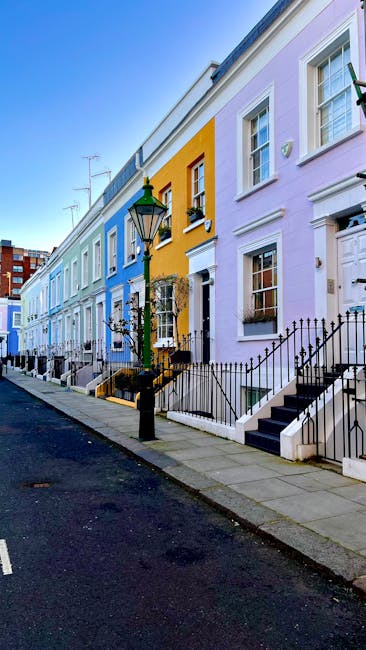
Notting Hill has elegant terraces, narrow streets, mews lanes, controlled parking areas, awkward corners, and plenty of places where a van can obstruct traffic if it is left in the wrong spot for even a short while. So, whether you are moving from a basement flat near Portobello Market or a top-floor conversion tucked away behind one of those handsome Victorian facades, it helps to understand how local parking permission works before moving day arrives.
In this guide, we will walk through what RBKC parking permissions mean in real terms, when removals need them, how the process usually works, the mistakes people make, and how to keep the whole thing calm enough that you can actually breathe while the kettle is still packed.
Why RBKC parking permits for removals in Notting Hill explained Matters
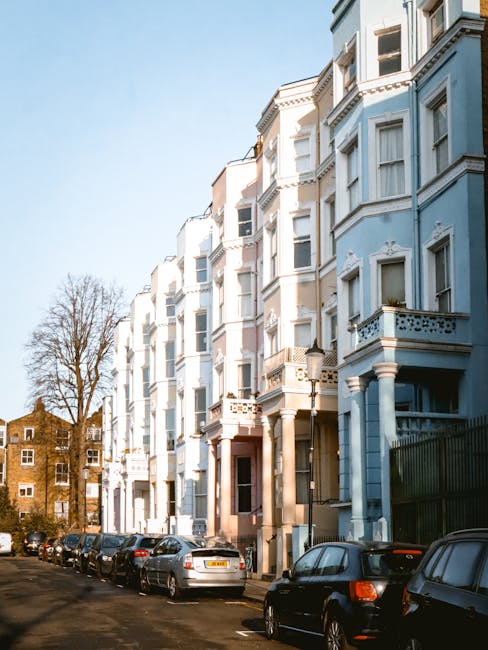
Let's be fair: moving is already stressful enough without adding a parking fine to the bill. In Notting Hill, where roads can be narrow and loading space can disappear quickly, the ability to stop legally near the property is often central to the whole operation. A removals crew may only need a relatively short window to load or unload, but they still need safe access, room to work, and enough space to avoid blocking neighbours, buses, cyclists, or the afternoon traffic that always seems to appear at the worst time.
RBKC, which covers parts of Notting Hill, operates controlled parking rules that matter for moving day. If a removals van arrives without the right permission, the job may still happen, but it can become slower, more expensive, and more frustrating than it needs to be. A permit can help protect the schedule, reduce the risk of disruption, and make it much easier for the crew to place the van where it actually needs to be.
This is especially important in streets where people are already dealing with resident bays, pay-by-phone parking, single yellow lines, and timed restrictions. One missed detail can mean the van stops too far away and suddenly the team is carrying sofas, wardrobes, and boxes much farther than planned. That sounds minor until you are doing it in drizzle, on a staircase, while your neighbour is trying to get past with a buggy. Not ideal.
If you want a broader sense of the neighbourhood and how people live here day to day, the resident guide to living in Notting Hill is a useful companion read. For those planning a bigger move, the house removals in Notting Hill page also helps set expectations around the kind of local challenges crews see regularly.
How RBKC parking permits for removals in Notting Hill explained Works
At a practical level, the process usually comes down to checking where the van will stop, what restrictions apply on that street, and whether the vehicle needs temporary permission or a suspension of existing parking controls. The exact method can vary by location and timing, so the safest approach is to treat parking as part of the move plan rather than a last-minute admin task.
Most removals jobs need one of three things: permission to use a bay, permission to stop in a restricted area for loading, or a temporary arrangement that prevents other vehicles from taking the space. The important bit is that the van must be positioned legally and in a way that allows the move to happen efficiently. A permit is not magic; it is simply a way of aligning your move with the local rules.
In some cases, the moving vehicle may be small enough to fit into tighter streets, while in others the real challenge is not the vehicle size but the timing. Notting Hill can be busy early in the morning, around school runs, or near popular retail and hospitality areas. A well-planned window often matters just as much as the permit itself. That is why many people combine parking planning with broader timing advice, such as the guidance in moving near Portobello Market or Notting Hill Gate station moves, where access and congestion can shape the whole day.
Another thing people sometimes forget: the permit conversation is not only about the removals van. If you are using a smaller support vehicle, a second trip, or a man and van setup, the parking rules still matter. A lighter vehicle may be easier to manoeuvre, but it still needs lawful access. For that kind of move, services like man and van Notting Hill or man with van Notting Hill can be handy because the vehicle profile is often better suited to constrained streets.
Key Benefits and Practical Advantages
The main benefit of getting the parking side right is simple: you make the move easier. But there are several smaller advantages that add up in a big way.
- Less walking distance for heavy items. A van parked close to the property reduces the strain on the crew and lowers the chance of damage while carrying items back and forth.
- Better timekeeping. When a vehicle can stop where it needs to, loading and unloading usually runs faster. That matters in streets with limited access windows.
- Fewer disputes or interruptions. Legal parking reduces the likelihood of complaints from neighbours, wardens, or passing traffic being disrupted.
- Lower stress on the day. Small things become much smaller when the van is positioned sensibly. Truth be told, that one detail can change the whole mood of the move.
- Safer handling. Less distance between the van and the front door often means fewer trips on stairs, pavements, and awkward kerbs.
There is also a budgeting angle. A delayed move can sometimes mean extra labour time, extra vehicle time, or the need to reschedule. None of that is fun. If you are comparing service types, it is worth looking at removals in Notting Hill alongside man and a van in Notting Hill or removal van Notting Hill to see which approach best fits the access conditions at your property.
And yes, a permit can feel like a tiny administrative thing, but moving day is built from tiny things. Tiny things matter.
Who This Is For and When It Makes Sense
Not every move in Notting Hill needs the same parking setup. A studio move from a building with a private forecourt is very different from a full-family relocation on a street where the van would otherwise have to double park. The permit question becomes most relevant when the vehicle needs to stop close to a controlled bay, loading area, or narrow access point.
It makes particular sense for:
- tenants moving in or out of flats on busy residential streets
- homeowners with larger furniture or multiple floors of belongings
- students moving with standard household items and boxes
- office relocations where timing and access are both tight
- people using a removal company that needs a predictable loading position
- anyone moving near mews, courtyards, or streets with limited turning space
If you are dealing with a flat, especially one without easy lift access, the parking question often becomes linked to the physical move itself. The flat removals Notting Hill page is a good fit here, as is the practical advice in W11 staircase-only properties packing and moving solutions. Some homes are just not built for easy logistics, and that is not your fault. It is just London being London.
For students, it is often about speed and simplicity rather than volume. A small van with a sensible stopping point can be enough, which is why student removals in Notting Hill can be worth looking at if you are moving term-time or between shared houses.
Step-by-Step Guidance
If you want to approach this properly, keep the process simple and methodical. No drama. No scrambling at 6 p.m. the night before.
- Check the exact pick-up and drop-off addresses. Parking rules can vary street by street, so do not assume the same arrangement applies on both sides of the move.
- Identify the vehicle size. A small van, medium removals van, and larger truck may all face different access realities.
- Inspect the street layout. Look for resident bays, yellow lines, loading areas, height restrictions, traffic calming, and anything that could make stopping difficult.
- Confirm the moving window. Morning, midday, and evening access can feel completely different in Notting Hill. A quiet-looking street at 8 a.m. may be busy by 9.
- Arrange the permit or parking permission early. Do not leave this until the packing tape has run out.
- Share the plan with your removals team. The driver needs to know where to stop, how long they have, and whether there are special constraints.
- Prepare the property access. Clear hallways, reserve lift time if available, and make sure entry points are not blocked by boxes or bicycles.
- Have a backup option. If the first bay is unavailable, know where the nearest workable alternative is.
If your move is time-sensitive or involves a busy part of Notting Hill, you might also find it useful to read about timing and lift access around Notting Hill Gate station and moving vans on Notting Hill's narrow mews courtyards. Those pieces highlight the same underlying issue from different angles: access is rarely just about the road. It is about the whole route from vehicle to front door.
Expert Tips for Better Results
Here is the bit people often overlook: the permit is only one part of access planning. The best moving days are the ones where parking, packing, and property access all support each other instead of fighting each other.
1. Build a time buffer. Even with the right permit, traffic, neighbour movement, or key handover delays can create friction. A spare 30 minutes can save a surprising amount of stress.
2. Match the vehicle to the street. In some Notting Hill streets, a smaller vehicle is simply smarter. A smaller van may reduce the need for awkward positioning and make everything feel less tight.
3. Protect your access route. If the front path is narrow or shared, keep it clear of bins, prams, and loose items before the crew arrives.
4. Think about the worst item first. Large wardrobes, pianos, and deep sofas tend to dictate positioning more than the boxes do. If those items can move cleanly, the rest is usually manageable.
5. Keep communication short and practical. Give the driver one clear contact number and confirm the exact bay or stopping point. Sounds obvious, but honestly, this is where moves go sideways faster than you would think.
For specialist items, you may need more than basic parking help. If you are moving something delicate or oversized, the planning should also account for handling conditions. Pages like furniture removals in Notting Hill and piano removals in Notting Hill are useful because the access challenge is very often tied to the item itself.

Common Mistakes to Avoid
Most parking problems are avoidable, which is why they feel so frustrating when they happen. The pattern is usually the same: someone assumes it will be fine, and then the street says otherwise.
- Leaving parking arrangements too late. This is the big one. If you only think about it on moving day, your options shrink fast.
- Assuming one permit covers every address. Not every street or bay works the same way.
- Forgetting about unloading time. A short stop is one thing; a full removal window is another.
- Ignoring access restrictions near the property. Narrow gates, bollards, shared courtyards, and one-way systems can all complicate the stop.
- Choosing a vehicle that is too large. Bigger is not always better. In Notting Hill, big can become cumbersome very quickly.
- Not telling the removals company about parking limits. The team can only plan well if they know the reality on the ground.
If you are unsure how much planning you need, have a look at removal companies in Notting Hill and compare the style of support offered. A good team will ask about access early, not after they have already loaded the van.
Tools, Resources and Recommendations
You do not need a complicated toolkit to manage parking for a removal, but you do need a few simple things done well.
- Written move plan. Keep addresses, times, access notes, and key contact details in one place.
- Photo references. A quick photo of the street, bay, or curb line can help the driver or removals team understand the setup before arrival.
- Labels for the first-load items. If parking access is limited, prioritise the items that must go on the van first.
- Clear communication with building management or landlords. If your property has shared access, let the relevant people know early.
- Reliable packaging materials. Good packing means fewer last-minute delays at the van.
For packing support, the packing and boxes in Notting Hill page is a sensible read. If you need secure interim space because parking or access timing is awkward, storage in Notting Hill can be a very practical pressure release valve.
There is also value in choosing a removal partner that understands local streets, access restrictions, and the practical realities of working in W11. That local awareness can save a lot of small headaches. And small headaches, once added together, become one huge one.
Law, Compliance, Standards, or Best Practice
Parking and removals in London sit within local parking controls, traffic rules, and property access arrangements. You do not need to become a transport lawyer to move house, but you do need to respect the basics: do not obstruct traffic, do not assume stopping is allowed just because you are unloading, and do not leave a vehicle in a restricted position without the correct permission.
Best practice is straightforward. Plan the stop legally, communicate clearly, and build the move around the street conditions rather than trying to force the street to fit the move. If a parking bay is required, treat it as a formal part of the booking. If the move involves a shared driveway, basement access, or a building with rules for vehicles, get those details sorted before lifting a single box.
For reputable providers, compliance should not feel mysterious. You should expect clear terms, sensible insurance and safety procedures, and honest explanations about what can and cannot be done on the day. If those things are not easy to understand, that is usually a warning sign. The insurance and safety page is a useful reference point for how a professional removals service should think about risk and protection.
Best practice also applies to sustainability. If your move creates unwanted items, try to separate what can be reused, donated, or responsibly disposed of. A move is often the cleanest time to do that. The recycling and sustainability page gives a sense of that wider responsibility.
Options, Methods, or Comparison Table
There is no single best answer for every Notting Hill move. The right approach depends on the street, the property, and how much you are moving. Here is a plain-English comparison.
| Method | Best for | Strengths | Watch-outs |
|---|---|---|---|
| Standard removals van with parking permission | Most household moves | Good balance of capacity and efficiency | Needs careful planning in controlled streets |
| Small van or man and van setup | Flats, lighter loads, tight streets | Easier to position, often more flexible | May require multiple trips if volume is larger |
| Full removals crew with larger vehicle | Family homes, bulky furniture, complex moves | Efficient handling of more items | Parking and access need to be arranged early |
| Split move with storage | Staggered moves or access-limited properties | Reduces pressure on the move day | Requires extra coordination |
If you are weighing up service styles, it may help to compare man and van Notting Hill, man with van Notting Hill, and removals Notting Hill. Not because one is always better, but because the parking and access rules might make one option far more sensible for your street than another.
Case Study or Real-World Example
Consider a common Notting Hill scenario. A couple is moving from a second-floor flat near a busy residential street. The property has no driveway, the hallway is narrow, and the van would need to stop close to the entrance because of a bulky sofa and a tall wardrobe. They first thought, quite reasonably, that the driver could just "pull up somewhere nearby".
That sounds fine until the day itself. The nearest space is already occupied, the next available bay is a longer walk away, and the removals crew has to carry heavy items across a junction with foot traffic and parked cars. Suddenly the schedule stretches, the couple becomes anxious, and the moving team has to work around conditions that could have been avoided.
In the better version of that same move, the parking position is planned in advance. The crew knows exactly where to stop, the access route is clear, and the larger furniture is loaded first while the street is calm. The move still takes effort - moves always do - but it feels controlled. That is the real value of sorting the parking properly. It makes a hard day feel manageable.
If that kind of property sounds familiar, the Pembridge Villas moving checklist for W11 flats and Ladbroke Grove moves with narrow Victorian stairs piece both reflect the same lived reality: the building and the street are part of the move, not just the address.
Practical Checklist
Use this as a quick pre-move sanity check. Nothing fancy, just the things that save time and swearing.
- Confirm the exact addresses for loading and unloading
- Check whether the street has resident bays, yellow lines, or loading restrictions
- Decide what size vehicle is actually suitable
- Arrange the parking permission or permit well in advance
- Tell the removals company about height, width, and access limits
- Clear hallways, stairs, and entry points before arrival
- Set aside the first items to load and the last items to unpack
- Keep keys, paperwork, and payment details easy to reach
- Let neighbours or building management know if access will be busy
- Have a backup plan if the preferred bay is unavailable
If you are still at the planning stage, the broader services overview and pricing and quotes pages can help you think through how parking, vehicle choice, and move scope fit together.
Conclusion
RBKC parking permits for removals in Notting Hill explained really comes down to one simple idea: the move is easier when the van can stop where it needs to, legally and without fuss. In a neighbourhood like Notting Hill, where access can be tight and streets can change character from one block to the next, parking is not just a side detail. It is part of the moving strategy.
Plan early, match the vehicle to the street, keep the access route clear, and do not assume the parking will sort itself out at the last minute. That one bit of care can spare you a lot of avoidable stress. And once the van is parked properly and the first box is inside, the whole day tends to feel more human, more doable, less like a scramble.
If you are comparing options or trying to work out what kind of support fits your move, you may also find it useful to look at removal services in Notting Hill, especially if your property has tricky access or you want the parking side handled with a bit more confidence.
Get a free quote today and see how much you can save.